
Are there fewer ethical constraints on the pursuit of knowledge in the arts than in the human sciences?
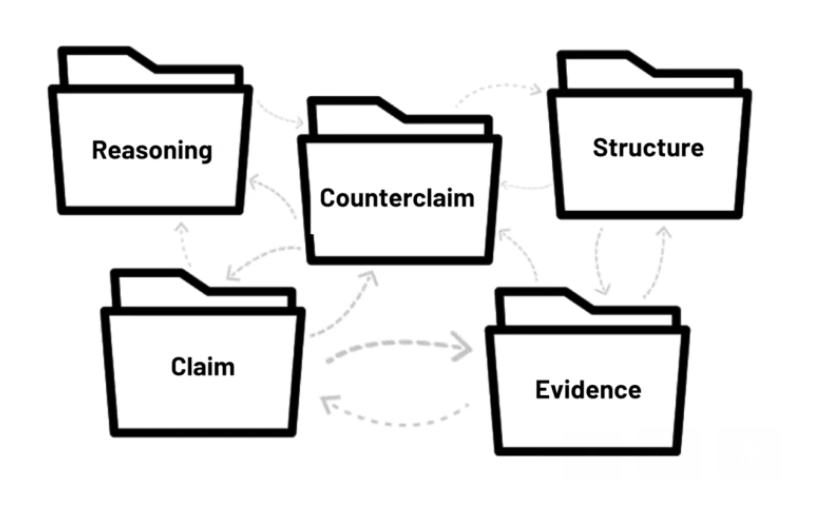
We need to get evidential before we get theoretical... this way we can engage with the real question and not reach for platitudes. This should then define what our discussions are and where our arguments lead.
Tip: Note down any problems or thoughts you have as these may well become part of your essay. eg. it is very difficult to find an example, I am not what pursuit of knowledge means in the arts... ie to what extent are artists knowledge makers? ...
1 Break down the question - look for keywords.
Are there fewer ethical constraints on the pursuit of knowledge in the arts than in the human sciences?
Questions: Who sets ethical constraints - policy, people, experts...
Questions: Why pursuit? What does pursuit of knowledge mean, especially in the Arts
2Look for Real World Examples that seem to fit the question
Human Science: Milgram Experiment
Art:Cut Piece
3Consider what these examples say about the question. From this you can begin to piece together a considered, evidenced arguments / counter arguments
Art:Cut Piece
To what extent is this normal of art?
The audience had been instructed that they could take turns approaching her and use the scissors to cut off a small piece of her clothing, which was theirs to keep. Differing accounts as others suggest they did this of their own accord.
For the second version, the audience may cut each other's clothing as they wish. How might this change the ethical nature of the pursuit? Also is this pursuit of knowledge? If it is maybe we are overlapping with the Milgram Experiment as that has performance whilst this is exploring people's openness to doing something inappropriate due to invite/orders. (Should we therefore choose a different version?
Was this performance well recieved? (Censorship) Is there any that has 'gone too far'?
Human Science: Milgram Experiment
In what ways does this experiment touch upon ethical restraints? (Or is it about ethical restraint - in which case is this relevant to the question?)
Who would be the people to set the restraint? The experimenter? (In this case, they did as the subject is an actor) Could we ever see a case where we eg. asked for volunteers to be electrocuted? Maybe this could be a condition of release for a prisoner?...
Orne and Holland (1968) accused Milgram’s study of lacking ‘experimental realism,'’ i.e.,' participants might not have believed the experimental set-up they found themselves in and knew the learner wasn’t receiving electric shocks. To what extent might this be a factor? Is this due to ethical constraint?
Could the experimenters have done what Yoko Ono did?
Was this performance well received? (Censorship) Is there any that has 'gone too far'? -